Why an IBC Tank Is Essential for Efficient Industrial Storage
An ibc tank is a dependable solution for storing and transporting liquids and bulk materials in many industries. Its durable structure, reusable design, and efficient handling features help businesses improve safety, reduce waste, and streamline logistics.
What Is an IBC Tank?
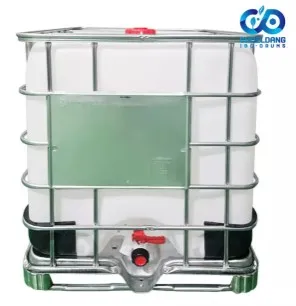
An ibc tank, or Intermediate Bulk Container, is a high-capacity container used for storing and moving liquids, semi-liquids, and certain bulk products. It is widely used in agriculture, chemical production, pharmaceuticals, and food manufacturing. Most ibc tank units are built with a high-density polyethylene (HDPE) inner container and a protective metal frame, which supports safe handling and long-term durability.
Key Features of an IBC Tank
An ibc tank is commonly selected for industrial use because of its practical design features:
- Durable Build: The reinforced cage and strong inner container help protect contents during transport and storage.
- Reusable Structure: Many ibc tank models can be cleaned and reused multiple times, helping reduce packaging costs.
- Space-Saving Shape: The square form allows easy stacking and better use of warehouse and shipping space.
Benefits of Using an IBC Tank
Using an ibc tank provides several operational advantages for businesses handling liquid and bulk materials:
First, it supports better cost efficiency. Because an ibc tank is built for repeated use, companies can reduce the need for frequent container replacement. Its large capacity also helps lower logistics costs by moving more material in fewer units.
Second, it improves safety and product protection. A properly selected ibc tank helps reduce spill, leak, and contamination risks through secure closures and a stable outer frame. This is especially important when storing chemicals or sensitive liquid products.
Third, it offers flexible use across industries. An ibc tank can be used for a wide range of materials, including industrial liquids, agricultural products, and food-grade ingredients. This versatility makes it a practical option for many operations.
Applications of an IBC Tank
An ibc tank is used in many industries for different storage and transport needs:
| Industry | Application |
|---|---|
| Agriculture | Storage of liquid fertilizers, pesticides, and water supplies |
| Chemicals | Transport and storage of industrial liquid chemicals |
| Food and Beverage | Handling of syrups, edible oils, and processing liquids |
Choosing the Right IBC Tank
Before selecting an ibc tank, it is important to review your operational requirements carefully:
- Material Compatibility: Ensure the tank material is suitable for the product’s chemical and physical properties.
- Capacity Selection: Choose a tank size that matches your storage volume and transport schedule.
- Compliance Requirements: Confirm the ibc tank meets the applicable safety and industry regulations.
An ibc tank remains a practical and efficient choice for businesses that need reliable liquid and bulk material handling. Its durable construction, reusable design, and broad applicability make it a strong long-term asset.
If your business is looking to improve storage efficiency and transport control, an ibc tank is worth considering. Comparing your material type, usage volume, and compliance needs will help you select the right model for your operation.